

Small business owners often feel like they are running a race with no finish line. You have to handle sales, talk to customers, and keep your social media alive all at once. Using the right AI tools for small businesses can help you finish your to-do list before dinner time.
The best way to start is by picking one part of your work that feels too slow. Most people save five to ten hours a week by letting a tool handle things like writing emails or sorting receipts. You do not need to be a tech expert to get these results. You just need to know which tool fits your specific job.
Make your writing faster and better
Writing is a huge part of running a shop or a service. You write emails to unhappy customers, descriptions for new products, and posts for Facebook. ChatGPT is the most famous tool for this, but many people use it the wrong way. They ask it to write a whole blog post and then wonder why it sounds like a robot wrote it.
Instead, use it as a first draft partner. Tell it exactly who you are talking to. If you own a bakery, tell the AI to write like a friendly baker who loves sourdough. It can turn a messy list of notes into a clear email in three seconds. This is a great way to use Generative AI to keep your tone consistent across your whole brand.
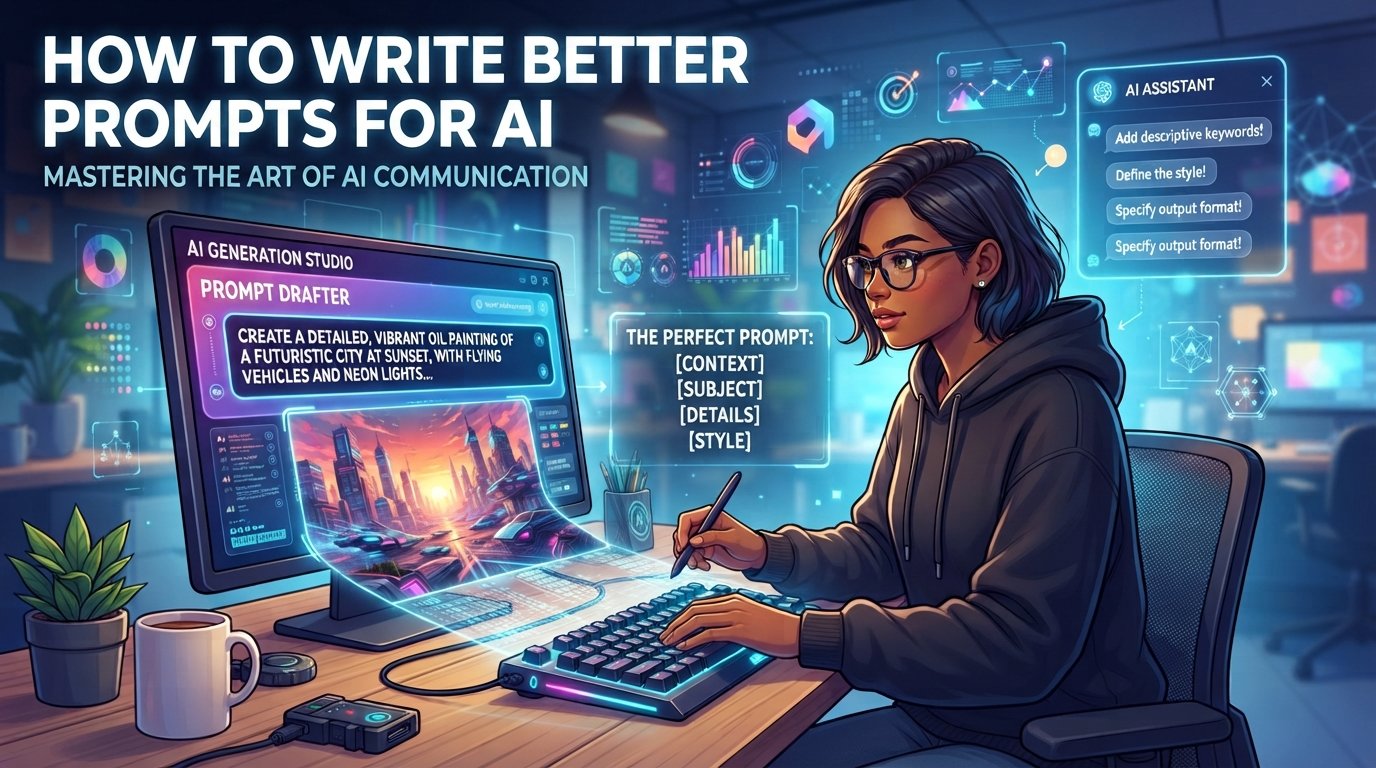
If you want the AI to give you better results, you have to be specific. We have a guide on How to Write Better Prompts for AI that shows you how to give clear instructions. When you give better details, you spend less time fixing the mistakes the AI makes. I used to spend an hour writing my weekly newsletter, but now I give the AI my main points and it gives me a draft in a minute.
Handling customer questions automatically
Customer service can take up your whole morning if you let it. You probably get the same five questions every day about your hours or your shipping costs. AI tools for small businesses can help you build a simple chat box for your website. It answers the easy questions so you only have to step in for the big problems.
Claude is another tool that is great for writing. It feels a bit more human than other options. I use it when I need to write something sensitive, like a reply to a bad review. It helps me stay calm and professional. It is like having a smart assistant sitting right next to you at your desk.

Create images without a designer
Buying stock photos is expensive and taking your own photos takes a lot of time. Tools like Canva now have AI built right in. You can type a sentence like “a coffee cup on a wooden table with morning sun” and it will make that image for you. This saves you from searching through thousands of photos that everyone else is already using.
Adobe Firefly is another good choice for business owners who want to look professional. It lets you change parts of a photo easily. If you have a great photo of your team but there is a trash can in the background, the AI can remove it. You just brush over the spot and tell it what you want to see instead. It makes high-end editing feel as easy as using a coloring book.
Think about how much you pay for a designer or for monthly photo sites. Most of these AI features are included in tools you might already pay for. Last month, I made all the graphics for a new sale in twenty minutes. Before AI, that would have been a half-day job or a hundred-dollar bill from a freelancer.
Using AI for social media images
Social media needs fresh images every single day to stay relevant. You can use Midjourney to create very high-quality art for your brand. It takes a little more time to learn, but the results look like they came from a big agency. This helps a small shop look much bigger and more established than it really is.
If you are worried about how these tools work, you can read more about Artificial intelligence to see the logic behind it. Knowing a little bit about the tech helps you trust the tools more. You will start to see images not as a chore, but as a quick task you can check off your list while you drink your morning coffee.
Stay organized with smart scheduling
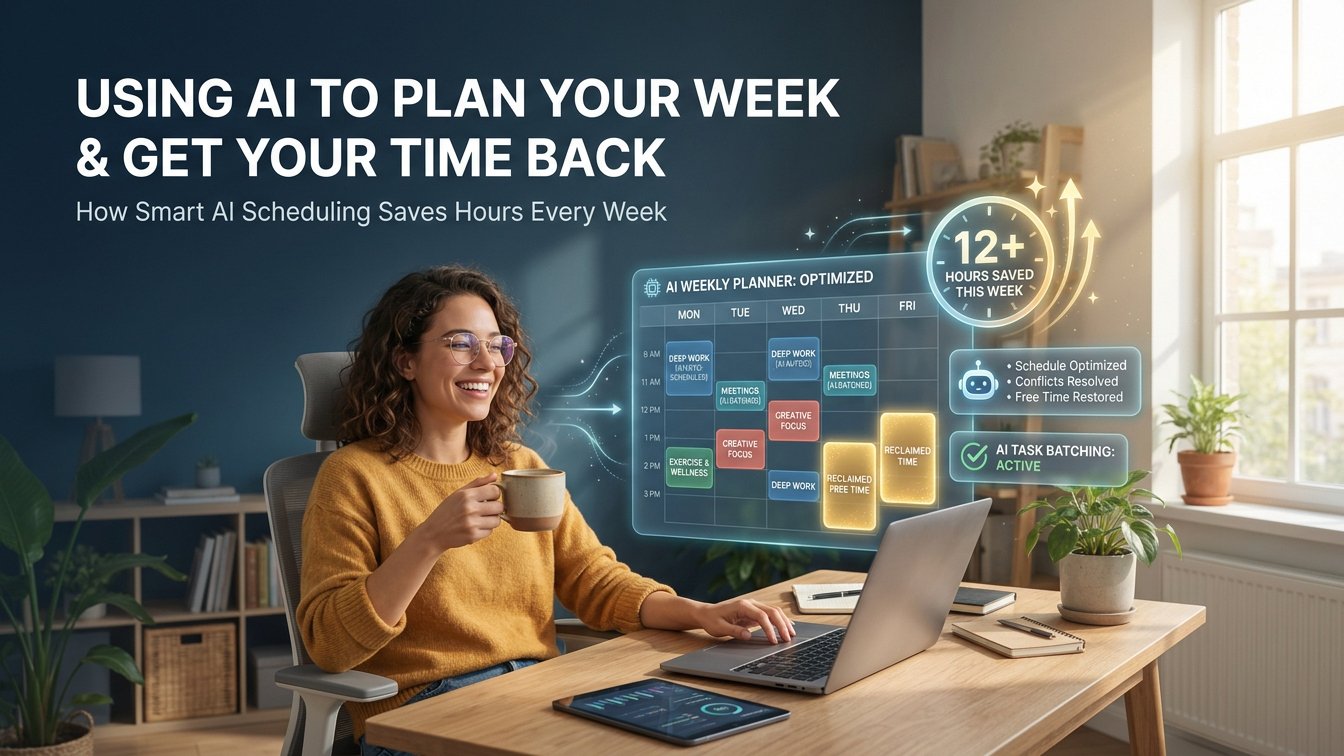
Meeting with clients is how many small businesses make money, but the back-and-forth emails to find a time are a nightmare. AI scheduling tools look at your calendar and handle the booking for you. They can even predict which times are best for you based on how you usually work.
Clockwise is a tool that moves your meetings around to give you “focus time.” It knows that you need long blocks of time to get real work done. If you have three meetings scattered across the day, it tries to put them together. This prevents you from feeling like your day is broken into tiny, useless pieces.
I started using a smart calendar last year and it changed how I feel about my Mondays. Instead of looking at a messy grid, I see clear blocks for my most important tasks. It even reminds me to take a lunch break. For a small business owner, your time is your most valuable asset, and AI helps you guard it.
Record and summarize your meetings
Have you ever finished a call and realized you forgot to write down the most important part? Tools like Otter or Fireflies join your Zoom calls and take notes for you. They don’t just write down what people said, they summarize the main points and list the next steps. This means you can actually listen to your client instead of staring at your notebook.
After the meeting, you can ask the AI “What did the client say about the budget?” and it will give you the exact answer. It saves you from re-watching a thirty-minute recording. My friend runs a small marketing agency and she says this tool alone saved her three hours of typing every week. It makes every meeting feel more productive because nothing gets lost in the cracks.
Manage your money with less stress
Bookkeeping is the part of the job that most small business owners hate the most. AI tools for small businesses can now read your receipts just by looking at a photo. They automatically put the expense into the right category like “travel” or “office supplies.” This makes tax season much less scary.
QuickBooks and Xero have added many AI features lately. They can spot a bill that looks wrong or tell you if your spending is higher than usual. It is like having a tiny accountant living in your phone. You don’t have to be a math expert to keep your books clean and ready for your tax person.
When you have your data in one place, you can learn a lot from AI tools for small businesses that track your growth. The AI can look at your past sales and predict how much you will sell next month. This helps you decide when to buy more stock or when to run a big sale. It takes the guessing out of running your company.
Automating your invoices
Getting paid is the best part of the job, but sending invoices is a chore. You can set up AI to follow up with clients who haven’t paid yet. It sends a polite reminder so you don’t have to have that awkward conversation yourself. It keeps your cash flowing without you having to track every single person down.
Some tools even suggest the best day to send an invoice so it gets paid faster. They look at millions of other bills to see when people are most likely to open their email and click pay. Small changes like this can add up to a lot more money in your bank account at the end of the month. It turns a slow manual process into a system that runs while you sleep.
Analyze your data to grow faster
Every small business sits on a mountain of data. You have sales numbers, website clicks, and email open rates. Most of us just look at these numbers and feel overwhelmed. AI can look at a giant spreadsheet and tell you exactly what it means in plain English.
You can upload your sales list to a tool like ChatGPT Plus and ask “Which product did people buy most on rainy days?” It will give you an answer in seconds. This kind of insight used to require hiring a data expert. Now, you can do it yourself during your lunch break. It helps you make decisions based on facts rather than just a gut feeling.
I used this to figure out why my own website traffic was dropping on Tuesdays. The AI showed me that my social media posts were going out at the wrong time for my audience. I changed the time by two hours and saw a big jump in clicks. These small wins are what help a small business beat much bigger competitors.
Researching your competition
Knowing what your competitors are doing is vital. There are AI tools that can watch other websites and tell you when they change their prices or launch a new product. You don’t have to spend hours clicking around their sites. You get a simple report every week that keeps you informed.
This doesn’t mean you should copy them, but it helps you stay aware of the market. If everyone else is lowering their prices for a holiday, you might want to do the same. Or you might decide to stay high-end and explain why your service is better. AI gives you the information you need to make that choice quickly.
Which one of these tasks feels like the biggest weight on your shoulders right now? Pick one tool from this list and try it for just one week. You might be surprised at how much lighter your workday feels when you aren’t doing everything by hand. Start small and let the tech do the heavy lifting for you.



Leave a Reply